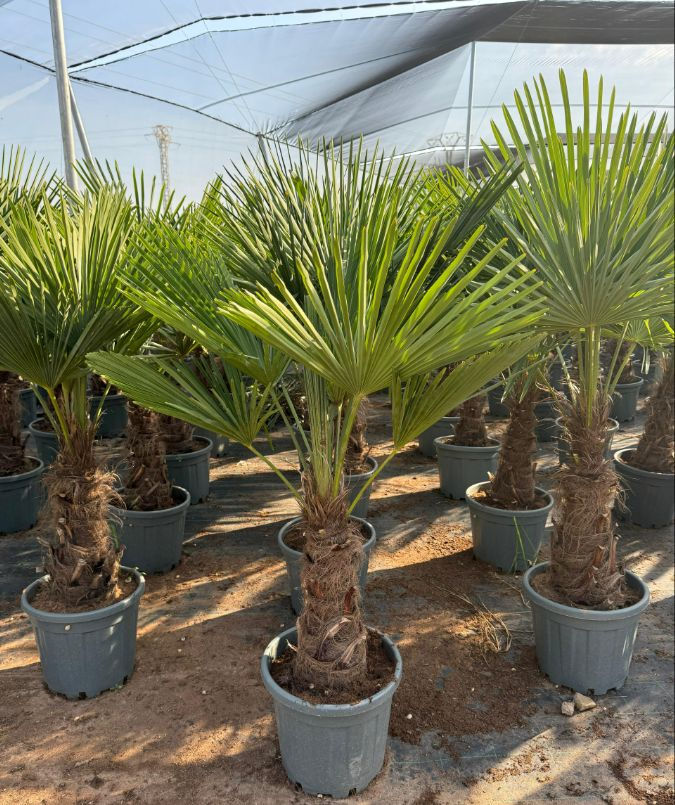
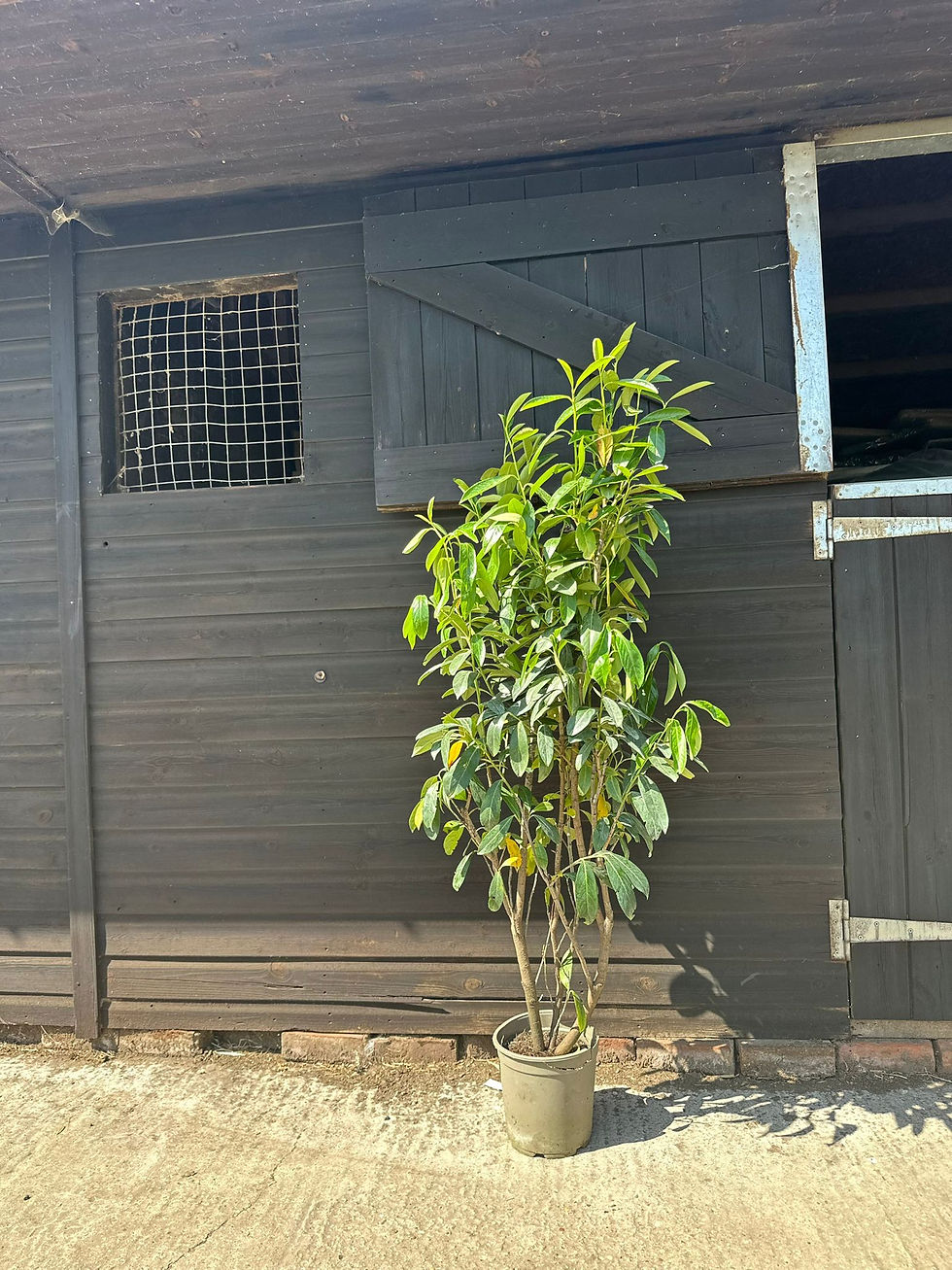
Mature | Impressive 6–7 ft Overall Height | Instant Tropical Impact
Bring dramatic, prehistoric elegance to your UK garden with this stunning Giant King Sago Palm (Cycas revoluta). One of the most sought-after hardy palms in The UK, these mature specimens are perfect for creating an instant focal point on patios, courtyards, or sheltered borders.
Key Features
- Overall Height: 6–7 ft (1.8–2.1 m) including pot
- Trunk Height: Approx. 60–100 cm clear trunk
- Age: Fully mature, field-grown plants (10–20+ years old)
- Foliage: Symmetrical crown of glossy, dark-green arching fronds
- Growth Habit: Slow-growing, compact, and extremely long-lived
Cold Hardiness & UK Suitability
- Hardy to –10°C when established (suitable for most of the UK)
- Thrives in London, South East, South West, and coastal areas
- Ideal for sheltered city gardens, coastal locations, or large conservatories
- Winter protection recommended in northern or exposed regions
Care Guide – Low Maintenance
- Position: Full sun to light shade
- Soil: Well-drained – thrives in sandy or loam-based compost
- Watering: Moderately drought tolerant once established; avoid waterlogging
- Feeding: Slow-release palm fertiliser in spring/summer
- Toxicity: All parts toxic if ingested – keep away from pets & children
Perfect For
- Modern courtyard gardens
- Mediterranean & tropical-themed borders
- Large patio containers
- Architectural planting schemes
- Year-round evergreen structure
Why Buy Your Mature Cycas revoluta from Palm & Olive?
- Hand-selected, premium-quality specimens
- Grown by specialist European nurseries
- Delivered safely across the UK
- Expert advice & aftercare support
Transform your garden instantly – order your Giant Sago Palm 6–7 ft today and enjoy one of the UK’s most striking hardy palms delivered direct to your door.
Giant Sago Palm 6–7 ft – Mature King Cycas revoluta
Is the Giant Sago Palm suitable for the UK climate?
Yes. Cycas revoluta grows well in the UK when planted in a sheltered position or grown in a large container. Mature plants tolerate light frost but should be protected during prolonged or severe cold.
Can a 6–7 ft Sago Palm be grown outdoors in the UK?
Yes, particularly in mild or coastal areas. In colder regions, container growing is recommended so the plant can be protected or moved during winter.
How tall is a 6–7 ft Giant Sago Palm?
The height refers to the overall size including the leaf canopy. A plant of this size is fully mature, with a strong trunk and established crown developed over many years.
How fast does Cycas revoluta grow?
Growth is extremely slow. Most plants produce one flush of leaves per year, and sometimes none in cooler summers. This is why large specimens are rare and valuable.
Does the Sago Palm need full sun?
It prefers full sun to partial shade. In the UK, a bright, well-lit position improves leaf colour and overall health.
Is the Giant Sago Palm suitable for pots?
Yes. It is one of the best plants for large containers and is commonly used on patios, terraces, and entrances for a strong architectural effect.
How much water does a mature Sago Palm need?
Water moderately and allow the soil to drain well. Overwatering, especially in winter, should be avoided.
Is Cycas revoluta toxic?
Yes. All parts of the plant are toxic if ingested. It should be kept out of reach of pets and children.
Why is a 6–7 ft Giant Sago Palm expensive?
Reaching this size takes several decades. Mature Cycas revoluta are slow-grown, limited in supply, and considered premium statement plants.
Planting Position
Choose a bright, sheltered position with full sun to partial shade. In the UK, protection from cold winds is important, especially in winter. Cycas revoluta performs best in free-draining soil.
Planting in the Ground
Only recommended in mild or coastal UK areas. Improve drainage with grit or sand and avoid heavy clay soil. Plant at the same depth as in the pot and firm the soil gently.
Planting in Pots
Ideal for UK conditions. Use a large, heavy pot with drainage holes and a well-draining compost mix. Container planting allows easier winter protection and better control over moisture.
Watering
Water moderately during the growing season and allow the soil to dry slightly between watering. Reduce watering significantly in winter. Waterlogging must be avoided.
Feeding
Feed lightly in spring and summer using a balanced or palm-specific fertiliser. Do not overfeed, as growth is naturally slow.
Winter Care
Protect the crown and trunk during frost using horticultural fleece. In colder areas, move container-grown plants to a frost-free, bright location during prolonged cold spells.
Maintenance
Remove only fully yellow or damaged leaves. Do not cut healthy green fronds, as they store energy for future growth. Minimal maintenance is required.