top of page

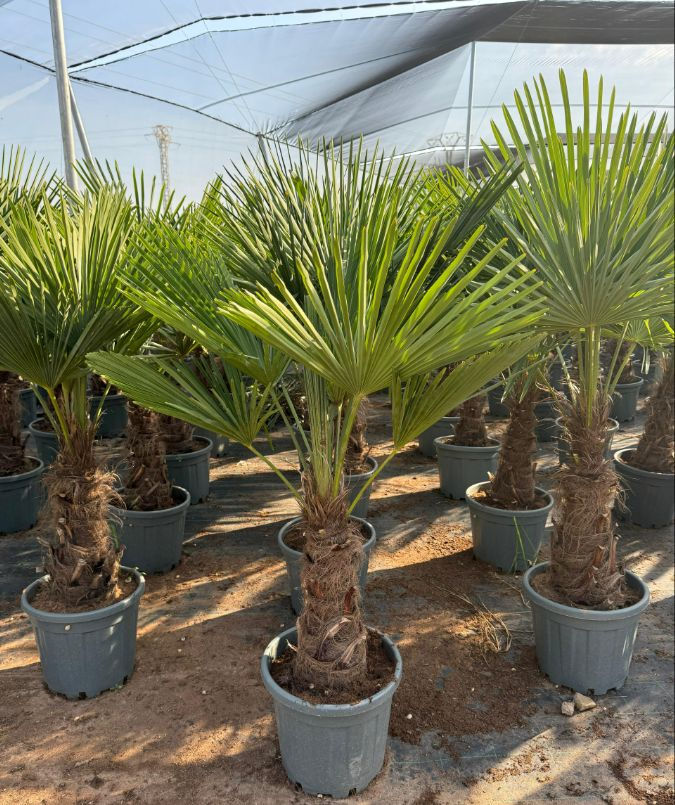
Trachycarpus wagnerianus: The Architectural 'Waggie' Palm
 

The Trachycarpus wagnerianus is the quintessential choice for the British climate, specifically engineered by nature to withstand the maritime winds of the UK. While its relative, the Trachycarpus fortunei, is well-known, the 'Waggie' is often preferred by garden designers for its superior neatness and structural integrity.
 

Its leaves are smaller, stiffer, and nearly circular, ensuring they remain pristine even in exposed, coastal, or high-altitude gardens where other palms might tatter. Hardy to -15°C, this palm provides a permanent Mediterranean backbone to your outdoor space, whether planted as a focal point in a border or as a symmetrical pair in our Terracotta Pots & Planters.

Trachycarpus wagnerianus Palm Tree

£129.99 Regular Price
£99.99Sale Price
Quantity
  • How to Plant Trachycarpus wagnerianus

    To ensure your Trachycarpus wagnerianus establishes successfully, timing is vital. The ideal planting window in the UK is between March and September.

    • Preparation: Dig a pit twice the circumference of the root ball.

    • Drainage: This species thrives in well-drained soil. Incorporate horticultural grit if your garden has heavy clay.

    • Positioning: Place the palm at the same depth it was in its nursery pot. Backfill with a blend of topsoil and Mediterranean-style compost, firming down to eliminate air pockets. For expert tips, see our Guide on Planting Palm Trees.

    How to Water Trachycarpus wagnerianus

    Proper hydration is the secret to the Trachycarpus wagnerianus maintaining its deep green lustre.

    • Establishment: For the first two years, water deeply twice a week during the summer months.

    • Ongoing Care: Once established, the Waggie is highly drought-tolerant. However, for container-grown specimens in our Large Garden Pots, ensure the soil remains moist but never waterlogged.

    • Winter: In the UK, natural rainfall is usually sufficient during the winter, though potted palms may require a light watering during unseasonably dry spells.

    How to Look After Trachycarpus wagnerianus?

    The Trachycarpus wagnerianus is a low-maintenance specimen, but these expert touches will help it flourish:

    • Feeding: Apply a slow-release nitrogen-rich fertiliser in early April and again in July. Learn more in our Complete Guide to Palm Fertilising.

    • Pruning: Only remove the lower fronds once they have turned entirely brown. Cut cleanly near the trunk, taking care not to damage the fibrous 'hair' that protects the stem.

    • Wintering: While exceptionally hardy, if a prolonged freeze below -10°C is forecast, protecting the central growing point with horticultural fleece is a wise precaution.

  • Q: Is Trachycarpus wagnerianus faster growing than other palms?
    A: Actually, it is slightly slower growing than the Fortunei, putting on roughly 5–10cm of trunk per year. This slower pace is what produces its highly sought-after dense and compact crown.

    Q: Can I grow Trachycarpus wagnerianus in a pot?
    A: Yes, it is arguably the best palm for long-term container growth in the UK. We recommend pairing it with our Anduze Terracotta Pot Planters for a classic look.

    Q: Does it tolerate salt spray?
    A: Yes, the Trachycarpus wagnerianus is excellently suited to coastal gardens and can handle salt-laden winds better than almost any other Hardy Palm Tree variety.

No Reviews YetShare your thoughts. Be the first to leave a review.

Best sellers

bottom of page